







Search Results for: Refrigerator Chilling
Analysis of Ice Drip and Cold Brew Coffee Storage Time in the Refrigerator: Why the Flavor Is Better After 12 Hours of Chilling
In recent years, more and more coffee enthusiasts have begun trying their hand at making cold brew and ice drip coffee at home, and the ice drip coffee produced by Front Street Coffee is often in short supply. Many friends are concerned about: how long can this kind of low-temperature extracted iced coffee be kept after being placed in the refrigerator? Why does ice drip coffee actually taste better after 12 hours of refrigeration? This article will focus on the principles of low-temperature extraction, equipment selection, coffee bean recommendations, and the flavor evolution during refrigeration, systematically answering the shelf life and optimal drinking time of iced coffee, helping you both enjoy great taste and ensure safety. [more…]
Cold Brew Coffee Bean Selection Guide: A Complete Analysis of Single-Origin Coffee Bean Flavor Pairings and Creative Recipes
In recent years, cold-drip and cold brew coffee made through low-temperature extraction have become increasingly favored by coffee enthusiasts, but which beans to choose, what equipment to use, how long it can be stored, and how to drink it creatively are all questions people care about. Based on Front Street Coffee's practical experience, this article provides a detailed overview of the extraction principles of iced coffee, equipment selection, single-origin bean recommendations suited to different flavors, the impact of chilled fermentation on taste, creative drinking methods such as adding dried flower petals, and safe refrigeration storage limits, helping you make a cup of outstanding iced coffee at home. [more…]

Coffee Equipment | What equipment is needed to make ice drip cold brew? How long can ice drip cold brew coffee be stored? Why does cold brew ice drip taste better after sitting overnight?
For more specialty coffee knowledge, please follow our WeChat public account: Front Street Coffee (FrontStreet Coffee). Recently, more and more friends have been making cold brew coffee, ice drip coffee, and other cold-brewed coffees at home. The ice drip coffee that Front Street prepares in advance is also in short supply. Many friends have also asked, [more…]
What Are the Differences Between Cold Brew, Ice Drip, Cold Brewed, and Iced Coffee? A Complete Guide to the Craft, Flavor, and Bean Selection of Four Types of Iced Coffee
Although they are all iced coffee, cold drip, cold brew, cold extraction, and iced chilling are often lumped together. They appear to all rely on low temperatures, but in reality their extraction paths, time requirements, and flavor directions are each different: cold drip emphasizes slow dripping and a fermented character, cold brew uses long soaking in exchange for a clean and smooth result, while iced chilling is a quick solution involving hot extraction followed by rapid cooling. This article breaks down the differences among the four from the perspectives of brewing principles, water flow control, water-to-coffee ratio, grinding, and bean selection, while retaining specific recommendations such as Front Street Coffee Mandheling and Yirgacheffe, to help coffee lovers make more suitable choices in different scenarios. [more…]
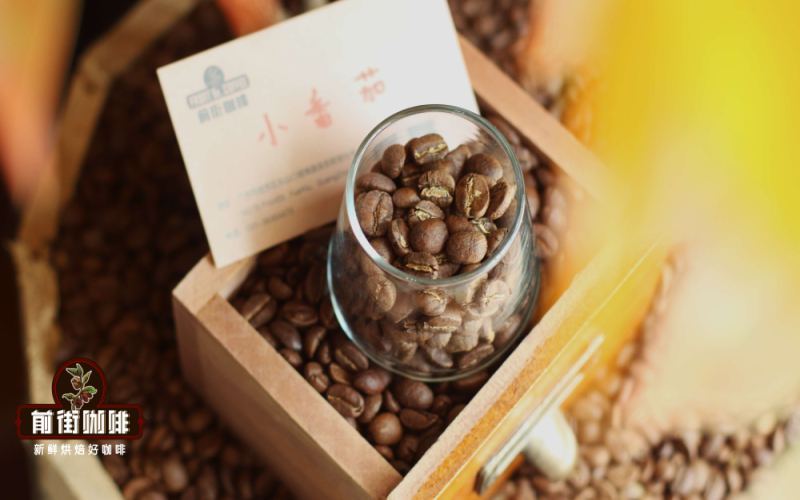
What coffee varieties are good to choose for Kenyan coffee? What roast level is suitable? Is lightly roasted Kenyan coffee really sour?
Kenyan coffee is renowned for its bright fruit acidity and soaring berry notes, which are inseparable from its unique varietal genetics and processing methods. This article will trace the origins of two legendary varieties, SL-28 and SL-34, analyze how Kenya's signature double fermentation washed method (K72) shapes a clean yet intense acidity, and discuss the suitable roast levels and brewing methods for Kenyan coffee. The article will also introduce the flavor performance of Asali Processing Factory beans at Front Street Coffee stores, as well as the specific parameters for Front Street Kenya Small Tomato coffee beans in iced pour-over, ice drip, cold brew, and other methods, helping coffee enthusiasts better understand and enjoy Kenyan coffee. [more…]

Practical Methods to Extend Coffee Bean Freshness: From Humidity-Proofing During the Mould-Return Season to the Right Approach for Fridge Storage
When the southern "hui nan tian" (return of the damp) arrives, everything at home feels wet, and coffee beans are no exception—they too risk absorbing moisture and growing mold. If you want your pour-over coffee beans to last longer without their flavor fading, the way you store them becomes especially critical. This article centers on how to store coffee beans so they keep longer, starting with the real frustrations of Lingnan's humid climate, analyzing the pros and cons of common practices such as airtight canisters and refrigerator chilling, and warning about the fatal impact of fridge odors on coffee beans. It also draws on the product characteristics of Front Street Coffee to offer storage suggestions better suited to daily life, helping coffee lovers extend their beans' peak flavor period as much as possible in a humid environment. [more…]
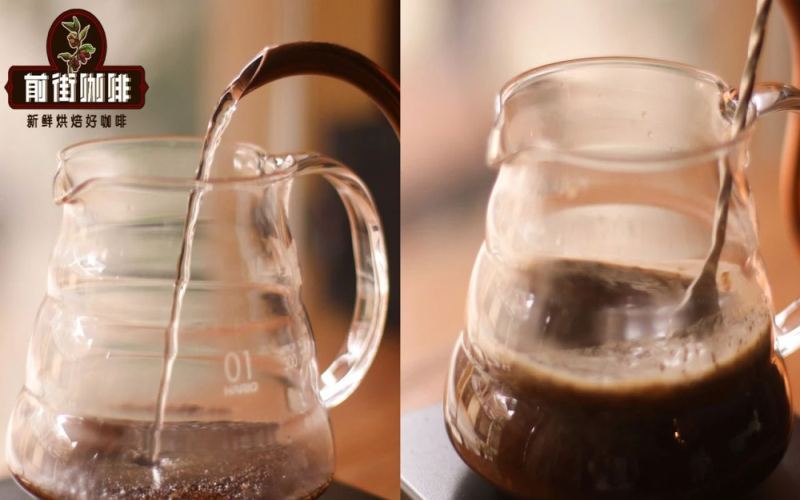
Cold Brew Coffee Recipe Illustrated | What's the Coffee-to-Water Ratio for Cold Brew Iced Coffee? Four Single-Origin Coffee Beans Recommended for Cold Brew
Many people distinguish cold brew coffee from iced coffee, because what we understand as iced coffee is the traditional concept of extracting with hot water, then adding ice or chilling it, turning the coffee from hot to iced. The biggest difference with cold brew coffee is that it uses cold water throughout, extracting at low temperature to obtain the coffee liquid. [more…]
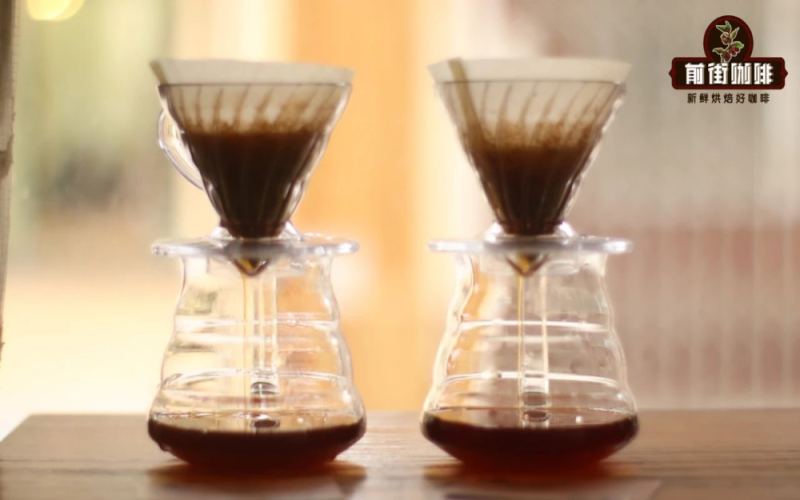
Cold Brew Iced Coffee Powder-to-Water Ratio | What Is the Method for Making Cold Brew Coffee? Which Coffee Bean Origins Are Suitable for Brewing Cold Brew Coffee?
Many people distinguish cold brew coffee from iced coffee. The reason is that what we understand as iced coffee is made by extracting with hot water, then adding ice or chilling it, turning the coffee from a hot temperature into iced coffee—this is the traditional concept. The biggest difference with cold brew coffee is that it uses cold water throughout the entire process, obtaining the coffee liquid through low-temperature extraction. [more…]

Kenyan Coffee Bean Flavor Analysis and Detailed Guide to Three Cold Drink Methods: Ice Hand Pour, Ice Drip, and Cold Brew
Kenyan coffee is famous for its bright acidity and berry flavors, which are inseparable from its unique varietal genetics and processing methods. The Bourbon lineage cultivated in the early twentieth century, plus the two disease-resistant, high-yield varieties SL-28 and SL-34, nurtured a distinctive acidic aroma in Kenya's high-concentration phosphoric acid soil. Kenya's signature double washing method (K72), through two fermentations and repeated washing, further amplifies the bean's cleanliness and acetic acid concentration. Because of its bright acidity and elevated flavors, Kenyan beans are especially suitable for making iced coffee. This article will systematically sort out the varietal origins and washing process of Kenyan coffee, and share Front Street Coffee's specific parameters and operational details for three methods: iced pour-over, iced drip, and cold brew. [more…]
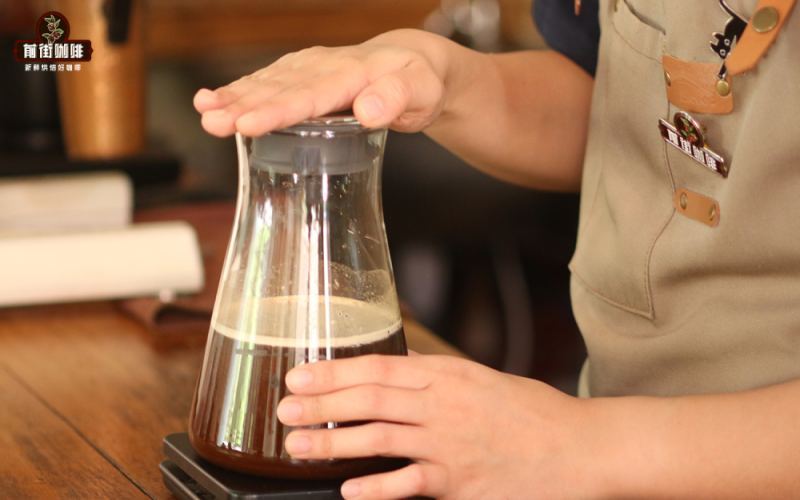
Cold Brew Coffee Shelf Life Fully Explained: Home Methods for Ice Drip and Cold Brew, Extraction Parameters, and Grind Size Recommendations
On a hot summer day, cold brew coffee becomes a favorite for many people. But how long can prepared cold brew be stored? What details should be noted when making ice drip and cold brew at home? This article provides a detailed explanation of the shelf life of cold brew coffee, the role of refrigerated aging, the flavor differences brought by different bean varieties, and the extraction parameters and grind size for ice drip and cold brew. At the same time, Front Street Coffee also gives specific suggestions based on the cold brew performance of its own beans such as Kenya, Strawberry Candy, and Gitiding Cooperative. Whether you are a beginner or a seasoned enthusiast, you can find practical references here. [more…]
Cold Brew Coffee Shelf Life | How Can Coffee Beginners Make Cold Brew Coffee at Home? Should Fresh Coffee Beans Be Used for Cold Brew? What Should Be Noted During Making?
Some may think that cold brew coffee is simply coffee grounds soaked in cold water for a long time. Actually, that's not the case! A delicious cold brew coffee involves more than just these parts to consider; it also requires attention to some small details to assist our extraction. But as long as we do it right, we can easily brew it with just a few steps. [more…]
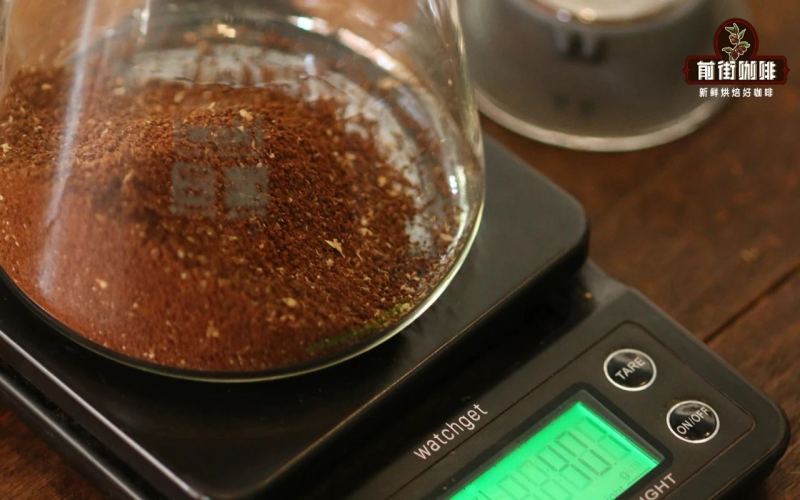
Cold Brew Shelf Life | Does Cold Brew Coffee Taste Better the Longer the Coffee Powder Steeps? What Key Points Should You Note When Making Cold Brew Coffee? Cold Brew Coffee Grind Size, Coffee-to-Water Ratio, and Extraction Parameters
Some may think that cold brew coffee is simply coffee grounds soaked in cold water for a long time. Actually, that's not the case! A delicious cold brew coffee involves more than just these elements; it also requires attention to some small details to assist our extraction. But as long as we do it right, we can easily make it with just a few steps. [more…]
Cold Brew Coffee Flavor Analysis: Low-Temperature Extraction Principles, Light-to-Medium Roast Bean Selection, and a Practical Guide to Front Street Yirgacheffe Geisha Cold Brew
Cold brew coffee has become a popular choice for home brewing in recent years, and its mild, sweet taste and low bitterness have made it a favorite among many coffee lovers. This article will start with the definition and principles of cold brew coffee, explain in detail why low-temperature extraction produces a smoother flavor profile, and offer buying advice for light-to-medium roast coffee beans, with a special recommendation of three beans ideal for cold brew: Front Street Panama Butterfly Geisha Blend, Front Street Washed Gutingtin Yirgacheffe, and Front Street Mozart Honey Process. At the same time, the article will also share the specific brewing parameters and steps for Front Street Yirgacheffe cold brew coffee, including coffee-to-water ratio, grind size, steeping time, and filtering method, to help you easily recreate a coffee-shop-level cold brew experience at home. [more…]
A Morning Cup of Black Coffee: A Detailed Guide to Varieties and Flavors, Plus the Advantages of Low Sugar and Low Calories
In the early morning, a can of black coffee is enough to awaken the sleeping senses. Black coffee adds no embellishment whatsoever, fully releasing the raw, rugged character of the coffee beans, with bitterness, acidity, aroma, and body interweaving into a distinct flavor profile. However, this taste of bitterness, acidity, and astringency coexisting is not something everyone can easily accept. Black coffee products on the market vary widely in style: some lean bitter, some are mildly bitter and acidic, some have pronounced acidity and bitterness, and there are also charcoal-roasted, blended, and various flavored coffees, each with different levels of sweetness and creaminess. This article sorts through these common categories and the taste characteristics of representative products one by one, while also explaining the natural advantages of black coffee—low sugar and low calories—to help coffee lovers find the one that suits them among the many choices. [more…]
The Complete Guide to Coffee Bean Storage: Refrigerate or Freeze? The Right Way to Extend the Peak Flavor Window
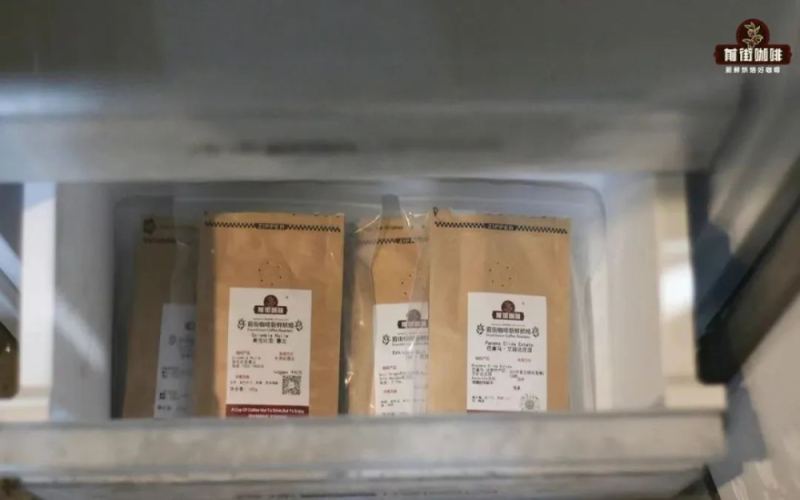
If you've stockpiled more coffee beans than you can drink in a short time, can you put them in the fridge to extend their freshness? This is a dilemma many coffee lovers run into. To answer this question, we first need to clarify what we actually mean by "fresh"—it's not about preventing spoilage, but about preserving as much of the fleeting aroma in coffee as possible. Starting from a customer question received by Front Street Coffee, this article systematically lays out the five great "enemies" of coffee beans, analyzes the pros and cons of refrigeration versus freezing, and offers concrete practical advice to help you devise a reliable coffee freshness-locking plan at home. [more…]
Cold Brew Coffee Recipe | Which single-origin coffee beans are suitable for cold brew? What are the taste differences between cold brew coffee, cold brew coffee, and iced pour-over coffee?
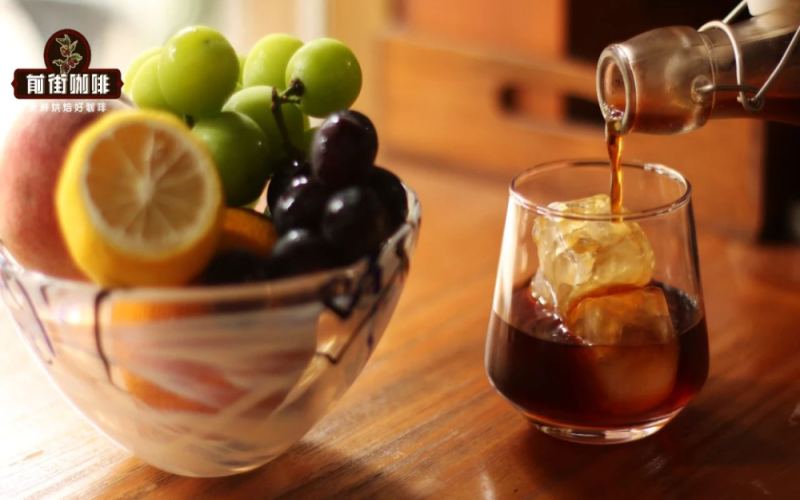
As soon as summer arrives, for coffee lovers, nothing is better than a refreshingly icy cold coffee. If you reject high calories, care about mouthfeel and lingering finish, and love to explore and try new things, in summer you can try the goddess-level drinks in the iced coffee world, "Ice Drip Coffee" and "Cold Brew( [more…]
What specialty beans should you choose for cold brew iced coffee? Analyzing the differences between cold brew and Americano and a soda water extraction experiment
Cold brew coffee, with its unique low-temperature slow extraction method, has become a popular drink in the hot summer days. Which coffee beans are actually suitable for making it? And what are the essential differences between it and Americano, which also uses water as a medium? This article starts with the origin of cold brew coffee, sorts out its production process and the principles of pairing it with pastries, and brings Front Street Coffee's cold brew bean recommendations. In addition, through a set of comparative experiments, we explore the differences in concentration and flavor between cold brew coffee made with soda water and purified water, providing coffee lovers with a more comprehensive cold brew guide. [more…]
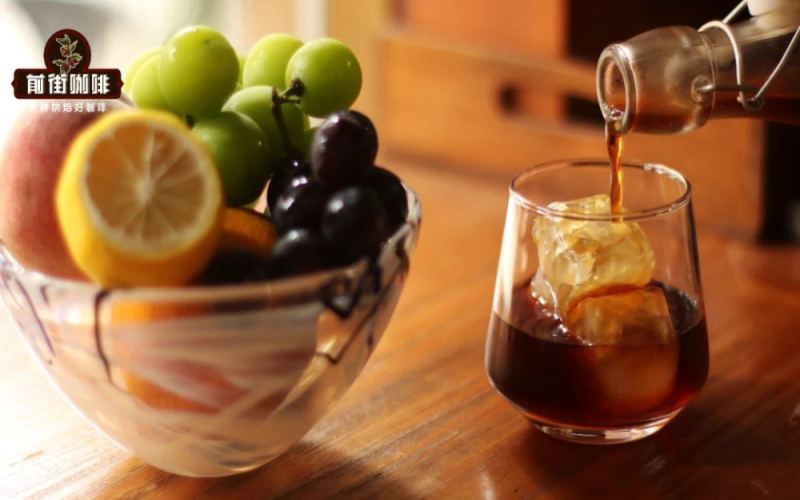
The Complete Guide to Ice Drip and Cold Brew Coffee: Brewing Key Points, Flavor Profile, and Front Street Coffee Bean Recommendations
In the height of summer, ice drip and cold brew, these two low-temperature extraction coffees, have become popular choices among iced coffees thanks to their refreshing, smooth performance and full-bodied flavor. This article sorts out the Dutch origins and the Japanese and Korean trends of ice drip coffee, explains in detail the ice drip and cold brew preparation parameters of Front Street Coffee, covering key points such as grind size, coffee-to-water ratio, drip speed, and refrigeration time, and recommends specialty beans suitable for low-temperature extraction, such as Sherry, Fruit Ding Ding, Huakui, Huahudie Geisha, and Strawberry Candy. At the end, it also answers practical questions such as why cold brew should be refrigerated again for "aging" after it is made, and why it is recommended to finish drinking it within 5 days. [more…]

Cold Brew Coffee Bean Recommendations | Can Espresso Coffee Powder Be Used to Make Cold Brew? What Are the Characteristics of Cold Brew Coffee? Which Coffee Beans Are Suitable for Making Cold Brew?
Making cold brew coffee can be said to be the easiest among all the many coffee extraction methods, and it doesn't require any technical skill—it's a way for every coffee novice to easily brew delicious iced coffee. Front Street Coffee has shared quite a few articles about various aspects of cold brew knowledge, and has also conducted studies of various sizes on the parameters involved. [more…]
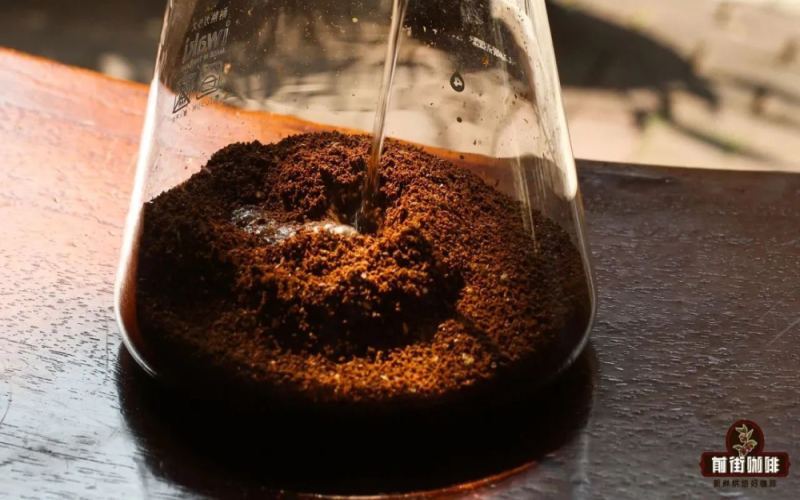
A Detailed Guide to Cold Brew Coffee Grounds-to-Water Ratios: Three Methods—Grind-and-Steep, Drip Bags, and Cold Brew Packs
Cold brew coffee, with its simple preparation and smooth taste, has become a daily choice for many coffee enthusiasts. Whether at home or in the office, it can be made with ease. This article explores the extraction principles and flavor characteristics of cold brew coffee, focusing on the logic behind coffee-to-water ratios, and breaks down three brewing methods in detail: grinding coffee beans for direct cold brew, using drip bags for cold brew, and using cold brew bags. It also draws on several representative products from Front Street Coffee to offer specific parameter recommendations and step-by-step instructions, helping you make a smooth, clearly flavored cup of cold brew coffee under any conditions. [more…]